Risks to privacy from collecting and storing personal information
Many people would expect their personal information to be safe and secure in their computer or personal device but that is not the case. Your personal information can still be accessed if the person wanting access is an expert in computers or even companies who want to share ads based on your information. According to Data Guard Blog, one example of personal information being breached is when Fast Food chains have been compromised and customer payment information has been taken. Another example would be when social media algorithms use user data to promote products. Additionally, the federal trade commission adds that some other risks of storing personal information on a computer (usually for business) includes fraud, identity theft, and similar harms.
These risks can be incredibly fatal especially if you own a business where you have not just your personal information stored but even your employees or customer information. Some information that businesses usually have stored include social security numbers,full names, addresses, bank account info, and more. One example of a data breach where personal information was taken was the AT&T breach in 2024 where 110 million records were lost and information such as social security numbers,names, and date of births were exposed. Another breach that occurred was the Capital one breach that occurred in July of 2019 where 100 million user records were stolen and posted online. These records included bank account numbers, balances, social security numbers, names, and more.
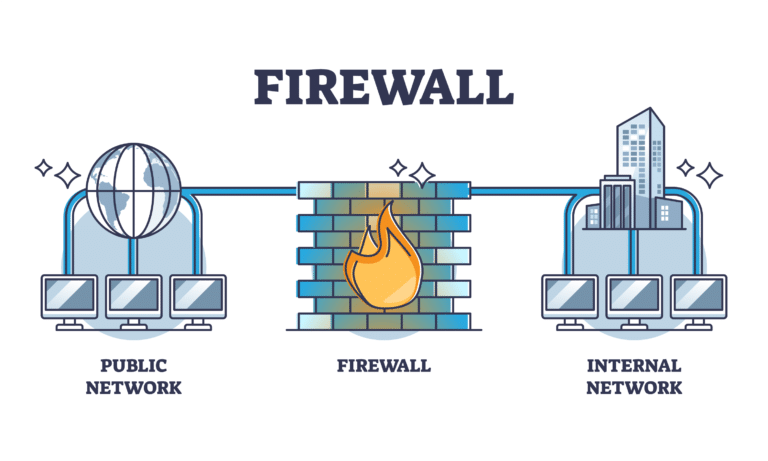
Breaches stated aboveSeeing the amount of damage that these breaches have cost we can see that keeping and storing your personal information easily can be very risky. The easier way to store information the easier it is to attack and break into. That is why many companies spend millions of dollars to get strong security for their data. An example of a strategy that some companies may use is a Firewall. A Firewall is essentially the first line of defense when it comes to cyber security and it basically makes sure external networks who don’t meet the security requirements are not allowed to access.
Continue...